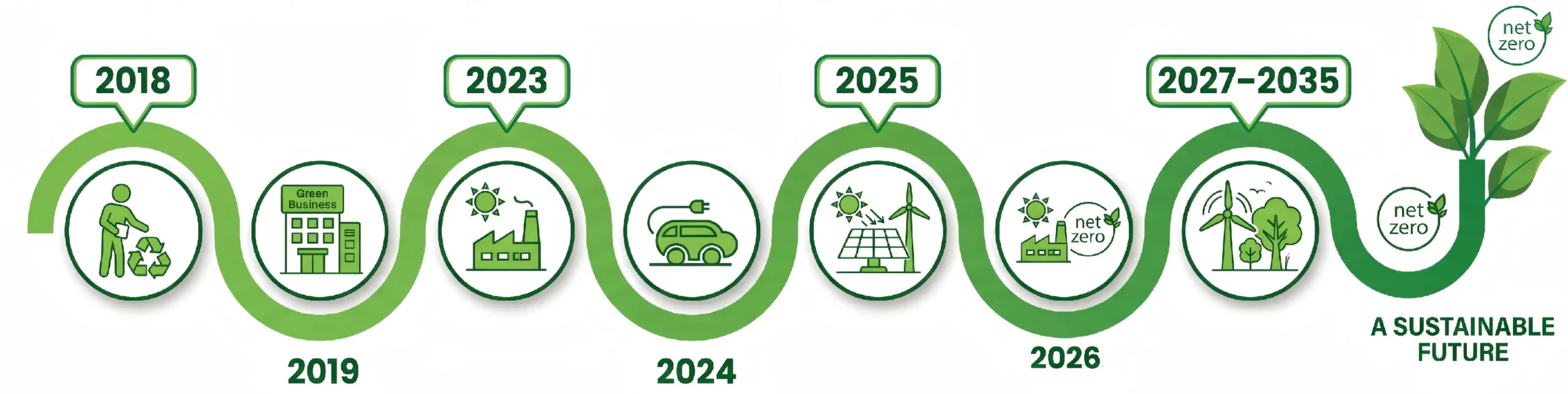
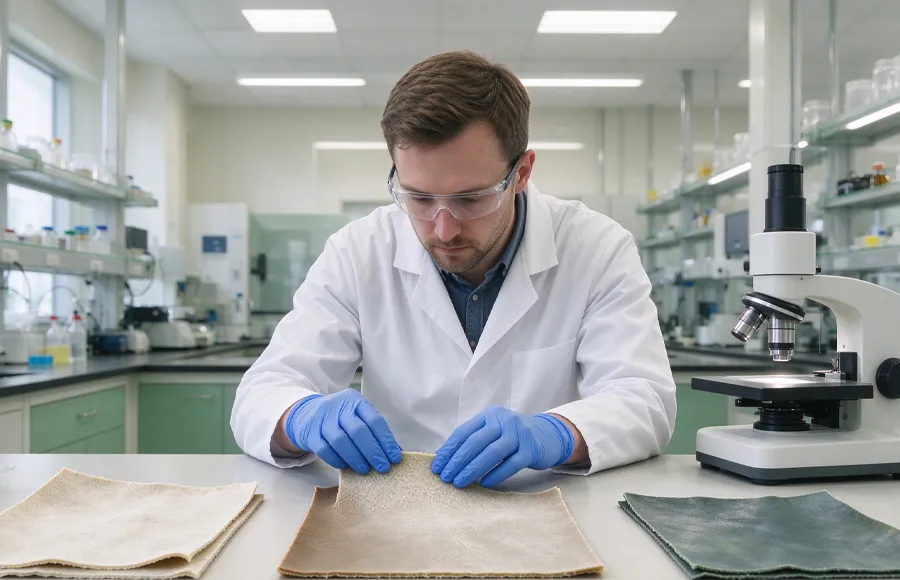
We began with measurement, not marketing. JUJUJOLLY mapped every fabric, lining, zipper, buckle, dyehouse and Tier 1 partner across our clothing and bag lines, building our first carbon, water and waste baseline. Instead of making vague green promises, we trained our teams and suppliers to track energy use, separate waste and choose lower-impact materials. Sustainability became an operating discipline inside JUJUJOLLY, not a campaign outside it.
2019 /
Circular Design Code
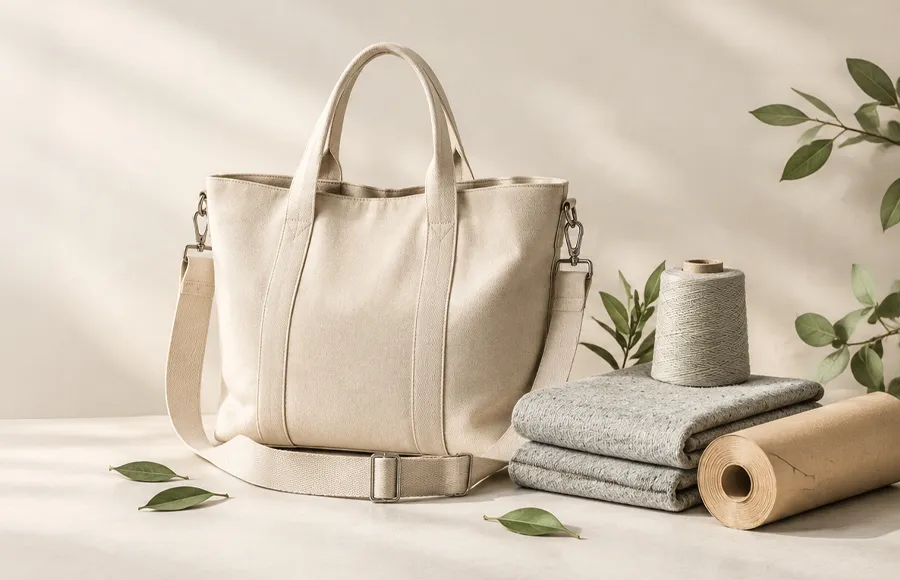
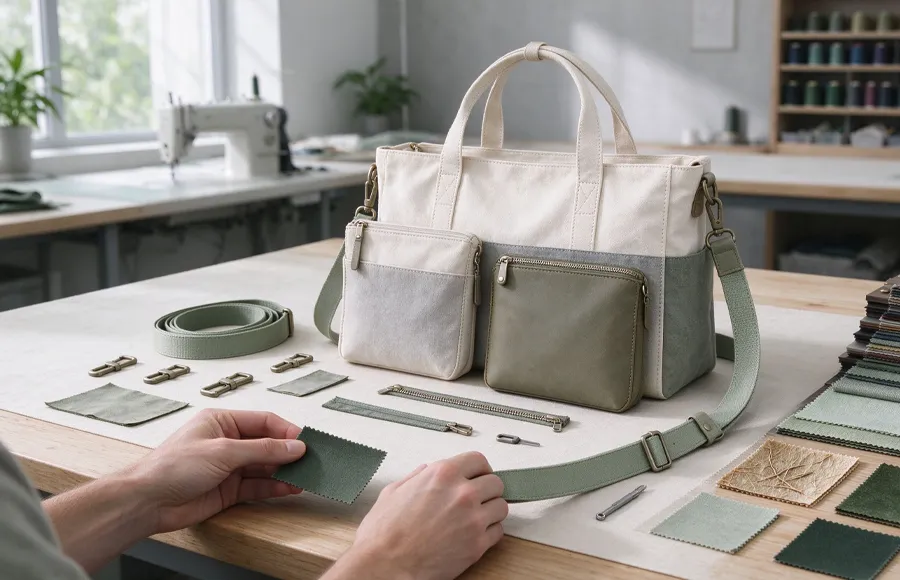
JUJUJOLLY proposes adhering to circular design principles: design for repair, design for disassembly, and design for recycling. Our bag products are gradually shifting toward design solutions that use mono-material construction, detachable linings, replaceable shoulder straps, and repairable hardware. Our apparel line has gradually begun to use recycled cotton, recycled polyester, FSC-certified packaging materials, and low-environmental-impact alternative materials. In addition, we have released a Restricted Substances List (RSL) aligned with global chemical management standards, ensuring that cleaner chemical materials are applied from the design stage—rather than at the factory production stage.
2023 /
Green Power & Circular Thread
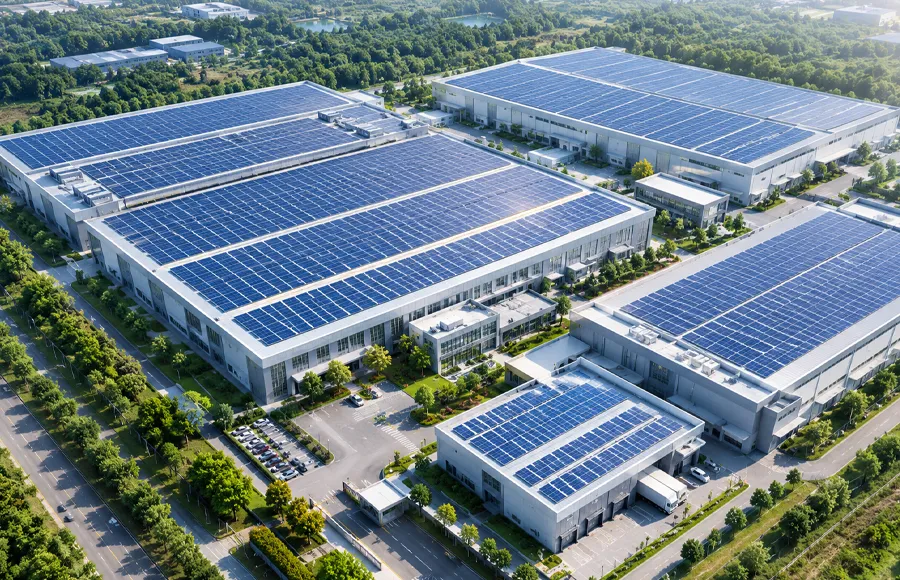
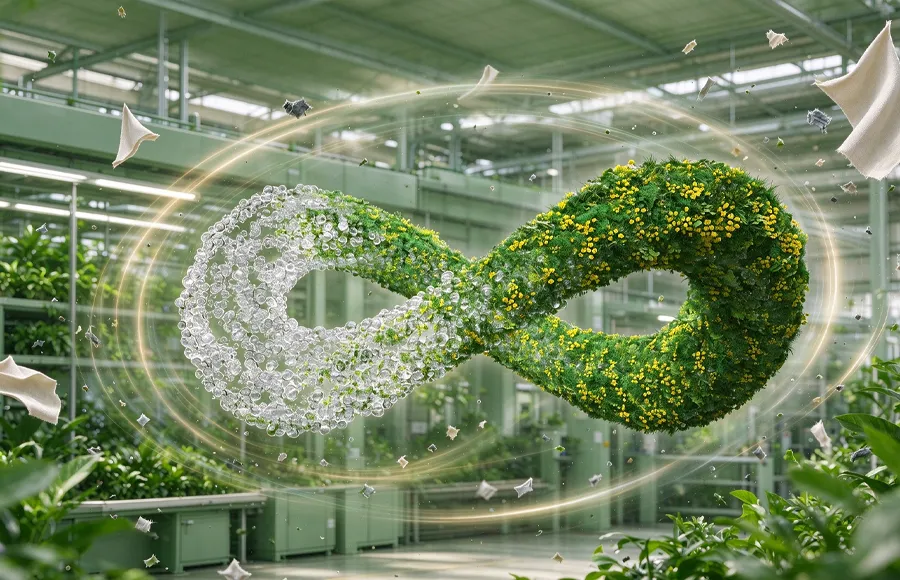
JUJUJOLLY has fully transitioned its core business operations to green electricity and installed rooftop solar systems at facilities in key factories. We launched the “Circular Thread” program—a recycling and regeneration initiative: used bag waste and apparel fabric and trim waste are collected, sorted by material, and converted into new fibers or components. As of 2023, 40% of our customer orders were fulfilled using certified sustainable materials, such as GRS recycled polyester, RCS recycled cotton, and low-environmental-impact bio-based materials. We upgraded the wastewater and air treatment systems of our core suppliers, replacing guesswork with shared data.
2024 /
Digital Product Passport
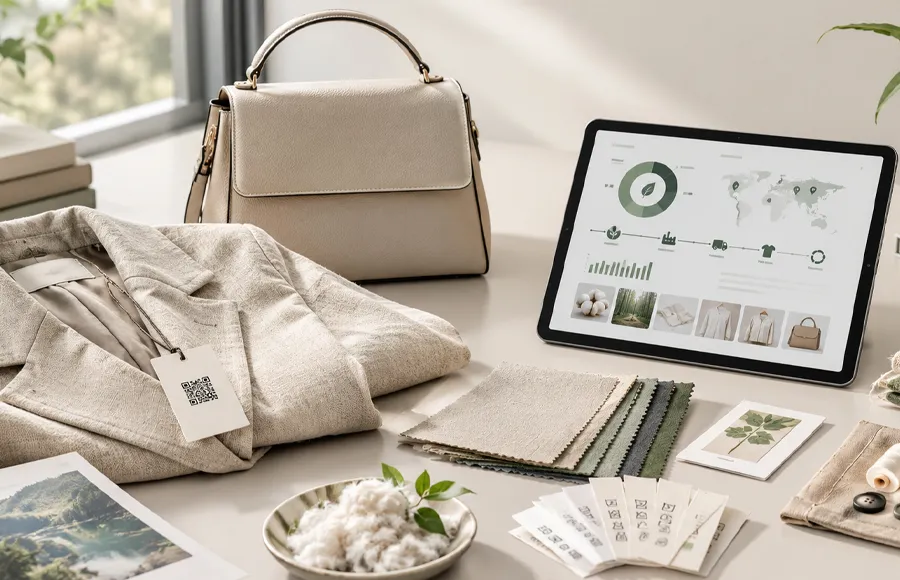
We gave every JUJUJOLLY product a digital identity. A QR-based Product Passport now shows material origin, carbon footprint, care instructions, repair options and return pathways. Tier 1 and Tier 2 suppliers joined a shared carbon and chemical data platform, improving Scope 3 visibility and making verified claims possible. Repair kits, spare parts and care guides became part of the after-sales experience—because the most sustainable product is the one kept in use.
2025 /
Second Life & 70% Green Electricity
JUJUJOLLY has increased its share of green electricity use to 70% across its own operations and core Tier 1 factories. We have shifted from simply manufacturing products to providing product life-cycle extension services. Modular bags and interchangeable components effectively extend product lifespan, and we have helped brand clients develop customizable cleaning, repair, or remanufacturing services for sold goods. The company has set a public target: by 2025, 50% of all new products will use recycled materials, recycled-content materials, or bio-based materials.
2026 /
Biobased Scale-up & Supplier Carbon Fund
We have advanced bio-based polyurethane, mycelium-inspired alternative materials, recycled cotton, and ocean-sourced recycled plastic from the pilot stage to commercial application. jujujolly also works with core Tier 1 factories and Tier 2 suppliers on energy efficiency improvement projects, renewable energy procurement, and clean chemistry technology R&D. We launched the “Supplier Carbon Fund” and began earmarking a portion of profits specifically for sustainable material innovation, reducing carbon emissions beyond our own factories and strengthening sustainability across the entire supply chain.
2027–2035 /
Net-Zero Ambition & Closed Loop
From 2027 to 2035, JUJUJOLLY commits to a 1.5°C-aligned pathway: deep cuts in Scope 1, 2 and 3 emissions, 100% traceable materials, 80% lower-impact materials, zero plastic packaging and zero waste to landfill. We will invest 20% of profit share in biobased PU, regenerative fibers, recycling infrastructure and circular design. By 2035, every JUJUJOLLY garment and bag will carry a digital passport, be designed for repair or recycling, and be part of a closed-loop system. We will work with suppliers, workers, customers and communities to make sustainability not a chapter—but the way we do business.
JUJUJOLLY — Wear the change. Carry the care. Shape tomorrow.
At JUJUJOLLY, style and sustainability share the same thread. We craft beauty that answers to the planet—and invite you to make every choice count.
Your inquiry has been submitted successfully. We will respond to you within 24 hours.Your message has been sent successfully. We will respond to you within 24 hours.Your inquiry has been submitted successfully. We will respond within 24 hours.




 Phone
+86-571-88167838
 Email
[email protected]
 Facebook
https://www.facebook.com/thejujujolly